Understanding Ekadashi — and How to Turn a Sacred Day into Seva
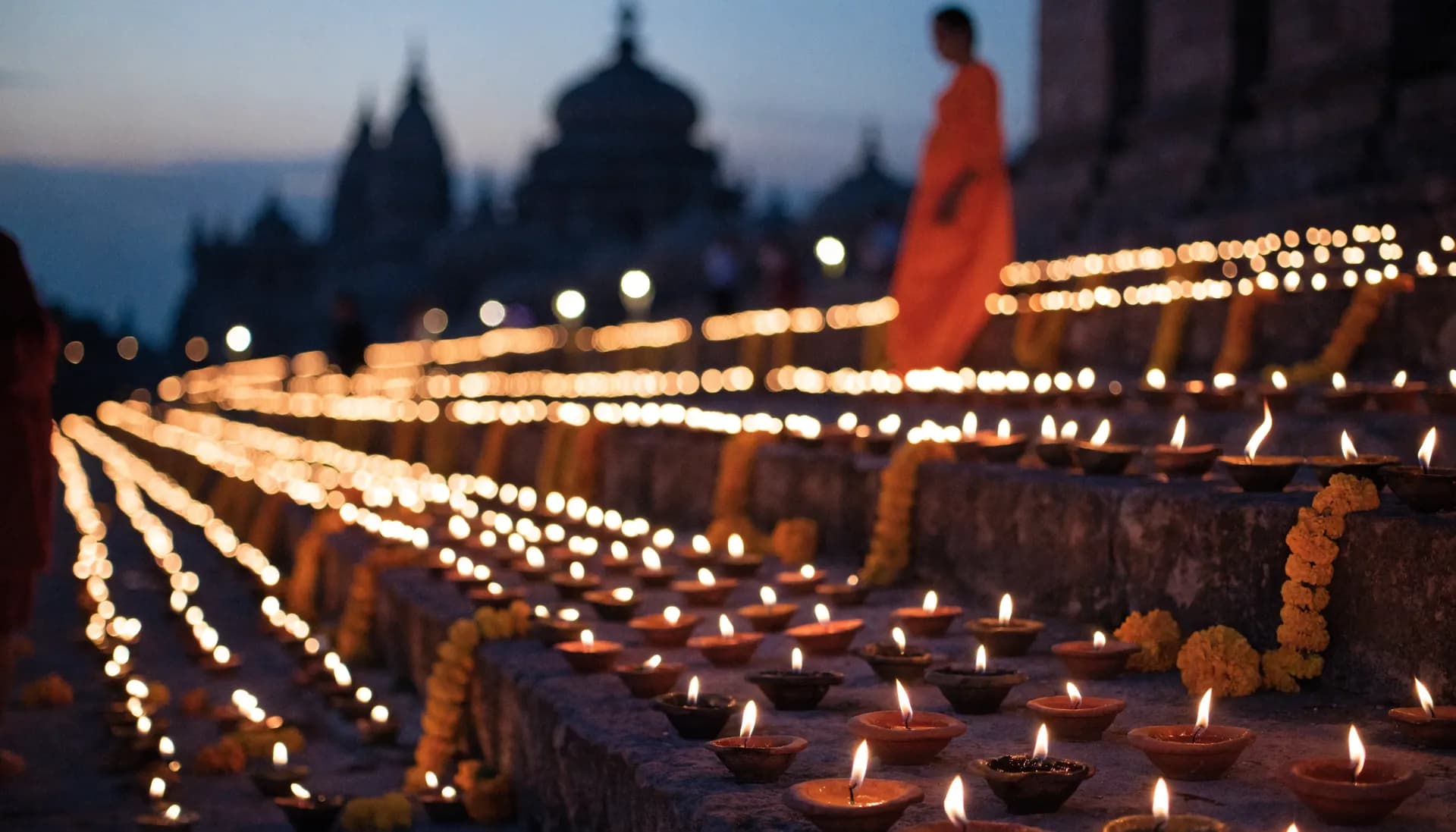
Ekadashi falls on the eleventh day of each lunar fortnight, twice a month. It is traditionally a day of lightness — of fasting or simple food, of restraint, and of turning attention inward and toward the divine. Different Ekadashis through the year carry their own names and stories.
How Ekadashi is observed
Observance varies by family and region, but the common thread is voluntary simplicity: many keep a partial or full fast, avoid grains, and spend time in prayer, japa or reading. The point is not deprivation for its own sake but making room — clearing a little space in the day for reflection and gratitude.
Turning the day into seva
A sacred day observed alone is complete in itself. But many people like to mark it outwardly too, by dedicating an act of seva to the tithi. Feeding cows, sponsoring meals, or funding a small pooja on the exact day are all ways to let a personal observance ripple outward to others.
- Sponsor Annadaan meals served on the Ekadashi tithi.
- Fund fodder for the gaushala herd in your family's name.
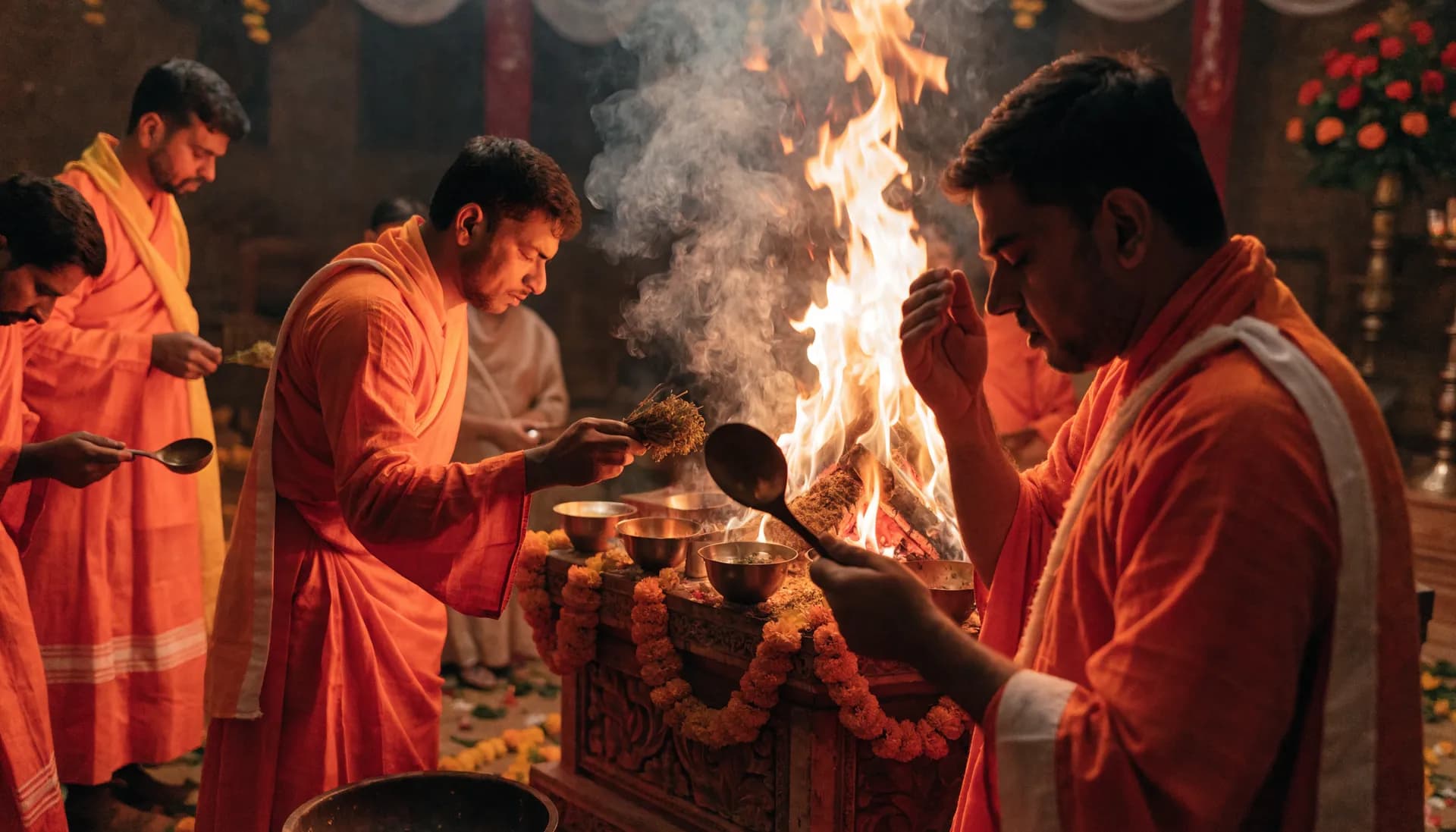
- Dedicate a pooja or japa performed on the day.
A fast turns the day inward; a daan turns it outward. Together they make the tithi whole.
Our Special Day Sewa lets you schedule seva on the exact tithi — one-time or recurring — so the day is always marked, even in a busy year. Every contribution is 80G-eligible.
Pandit Devdatt Shastri
Head Purohit, Vedic Services
Pandit Devdatt Shastri is a shastri-qualified purohit who guides Yashodalay Foundation's yagya, shradh and navgrah shanti rituals, ensuring each sankalp is performed with shastric care.
Shastri (Karmakanda) · 22 years performing Vedic rituals