The True Cost of a Warm Meal — and What Annadaan Really Means
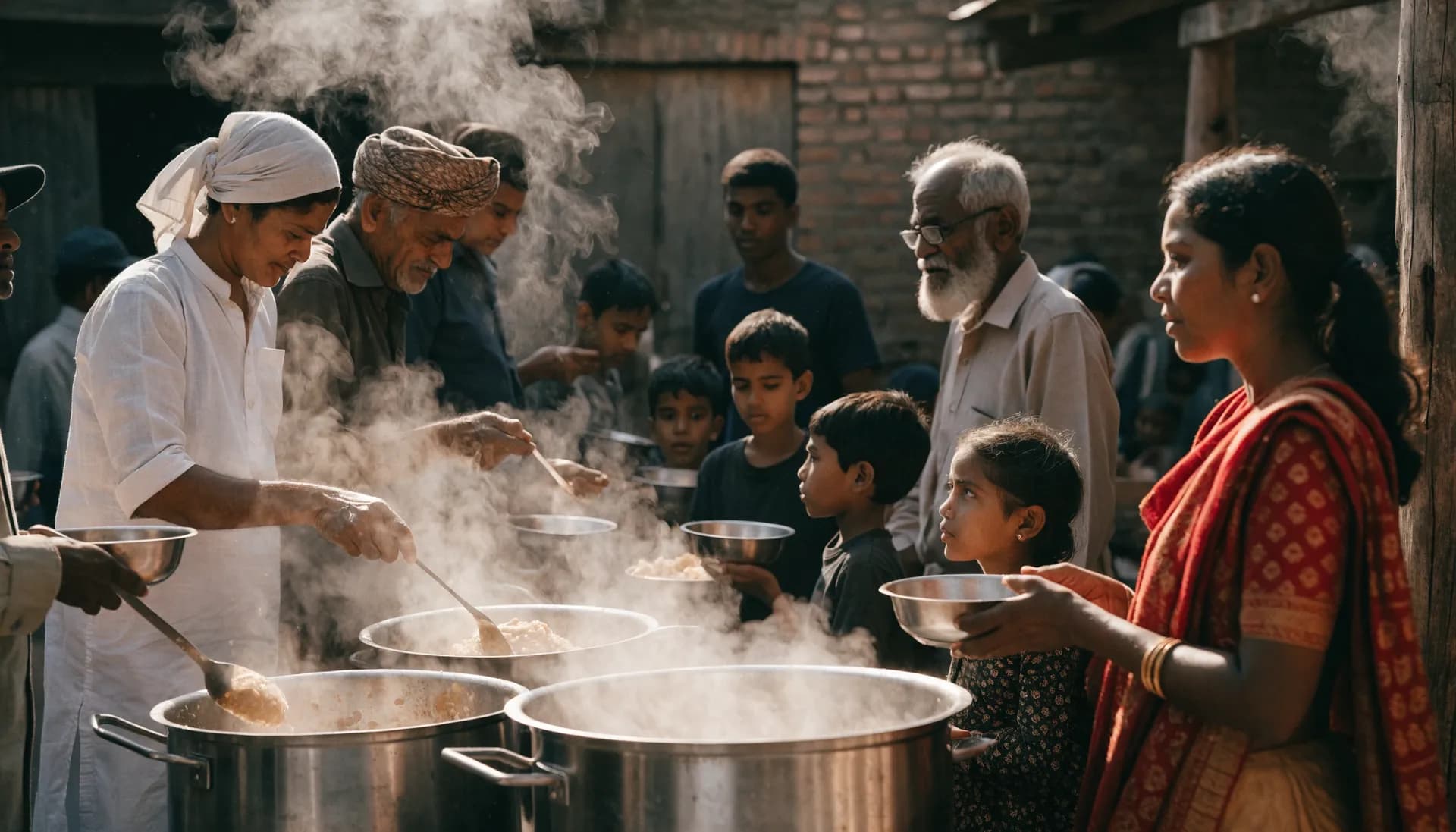
Annadaan — the giving of food — is one of the oldest and most direct forms of seva. Its dignity lies in its simplicity: no one who comes to the line is asked to prove they are hungry enough. But behind that simple plate of khichdi or rice and dal is a chain of careful, unglamorous work.
What actually goes into a meal
- Grains, pulses, oil and vegetables bought in bulk to keep the per-meal cost low.
- Cooking fuel, clean water and a hygienic kitchen that passes our own checks.
- Serving materials and the labour of volunteers and kitchen staff.
- Transport to reach the people who cannot come to us.
Buying in bulk and cooking at scale is what keeps a nourishing meal affordable. It also means a single donation stretches much further than it would if you tried to feed one person at a time.
Dignity is part of the recipe
We serve seated where we can, we serve enough for a second helping, and we serve the same food to volunteers and guests alike. A meal given without dignity is only half a meal. That principle costs nothing and changes everything about how the food is received.
You can measure a kitchen by its accounts, but you judge it by whether a stranger leaves feeling respected.
If this is the seva that speaks to you, sponsoring meals through Annadaan is a direct, 80G-eligible way to keep a community kitchen running. You can give once or set up a monthly gift.
Arun Tiwari
Kitchen & Annadaan Coordinator
Arun coordinates our community kitchens, planning menus, sourcing grains and organising the volunteer roster that serves thousands of warm meals every week.
10 years in community food programmes